Recorded 19 October 2026 · 29 minutes · Interviewer: Ihor Bauman, Workee
Who he is
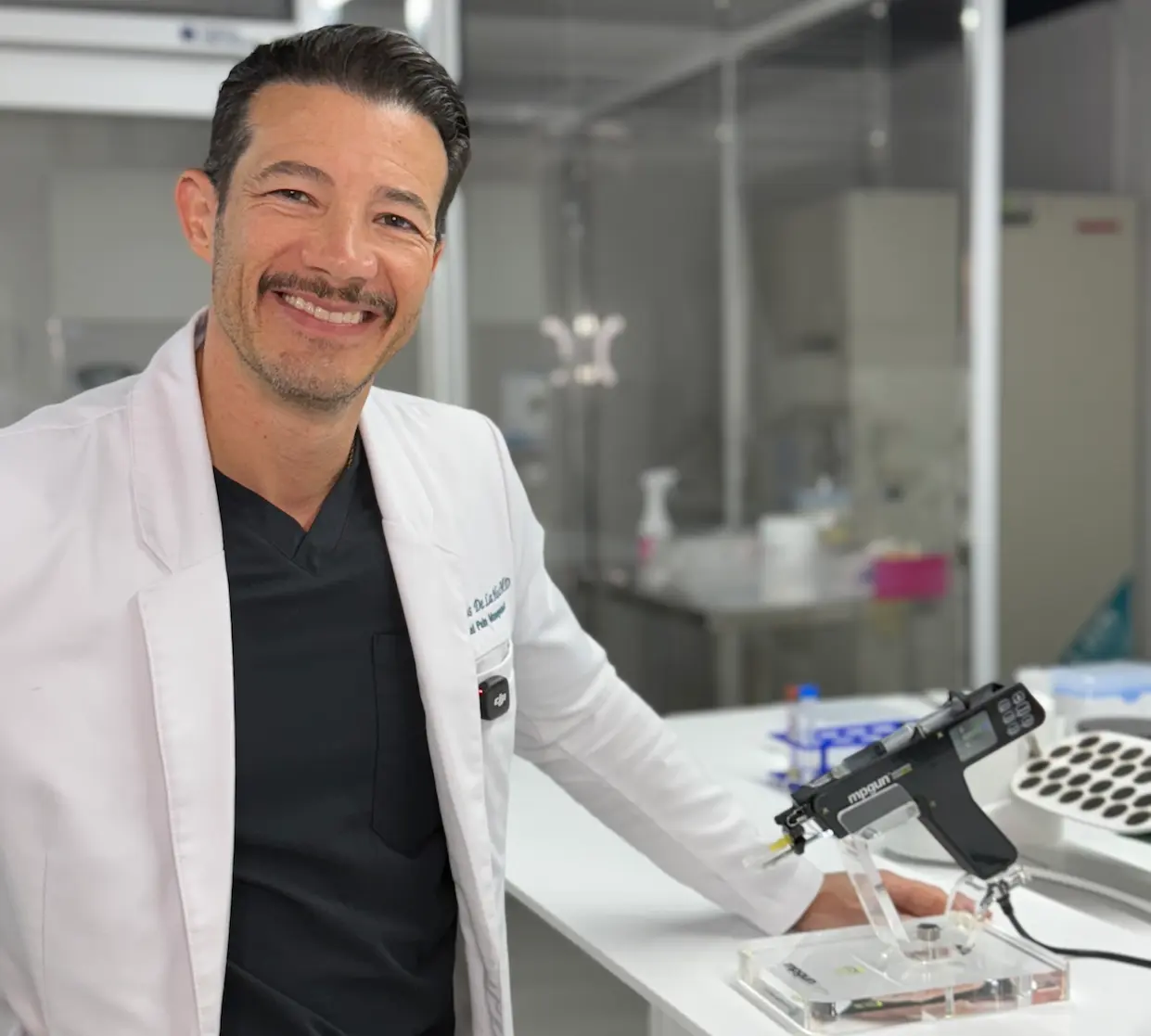
CEO and Medical Director, NeoMedicine Institute. Triple board certified: anesthesiology, interventional pain management, and regenerative medicine with a focus on longevity. Around 10 years in regenerative medicine and biologics.
“We really focus on preventing aging and giving more years of health to our patients.”
What is different about NeoMedicine Institute?
“One of the most important things is that we are a physician-led practice. We have multiple providers who come together to focus on providing the best services. When we see a patient we look at every possibility of preventing disease as much as possible, and also how to keep that patient active, physically independent and healthy for as long as possible.”
“Our passion is health, and we basically live what we work for.”
Adult stem cell banking
What is adult stem cell banking, and why does NeoMedicine offer it?
“We focus on preserving a patient’s own bone marrow derived mesenchymal stromal cells, which are called MSCs. I refer to these as medicinal signaling cells, because much of their biological activity involves signaling and immunomodulation rather than simply becoming new tissue.”
“Through my clinical experience treating musculoskeletal injuries, osteoarthritis and chronic pain, I became very interested in regenerative medicine, and it is now one of my specialties. Banking these cells preserves biological material for future applications. These patients have the capacity to store it for future use, and that avoids repeated harvesting, which costs the patient more money and more recovery time.”
“Patients preserve options. As the science evolves they will have access to more treatments that are being developed right now.”
What makes your banking process different?
“We focus on bone marrow-derived MSCs isolated without culture expansion. Our process includes third-party laboratory testing for cell-surface markers, viability, and infectious disease screening before cryopreservation.”
Who is a good candidate, and does age matter?
“We evaluate each patient individually, but the program may be particularly interesting for any active adult, athletes, and people concerned about recurrent musculoskeletal or sports injuries, or who want to prevent degenerative joint conditions.”
“Some MSC characteristics change with age. Preserving cells earlier may offer theoretical biological advantages, but we cannot guarantee that banking younger cells will produce better clinical outcomes in the future. The most important thing is making an informed decision based on the patient’s health goals and expectations.”
What happens during collection, and how long does it take?
“It is a very simple procedure done in the clinic, performed as an outpatient. It is a bone marrow aspiration and it takes 10 minutes. We use x-ray guidance, which makes it very precise and safe. A lot of the time we give patients a little IV medication so they are comfortable and sedated. They wake up and it is all done.”
“Once we have the sample we process it and isolate the specific cells we are looking for. Part of the sample goes to an independent lab, which tests for cell identity, viability and infectious disease screening. We check the cells for CD markers, including CD105 and CD73.”
Storage is handled in-house at NeoMedicine. Cell testing is performed by an independent laboratory.
“The procedure itself is 10 minutes. With preparation, the appointment is between 45 and 60 minutes.”
How much does it hurt?
“Very minimal. Patients usually take Tylenol for the pain, or no medication at all.”
Our emphasis is on carefully controlling the collection and preservation process, proper patient selection, and counselling. That is how you get the best results.
How are the cells stored, and how might they be used later?
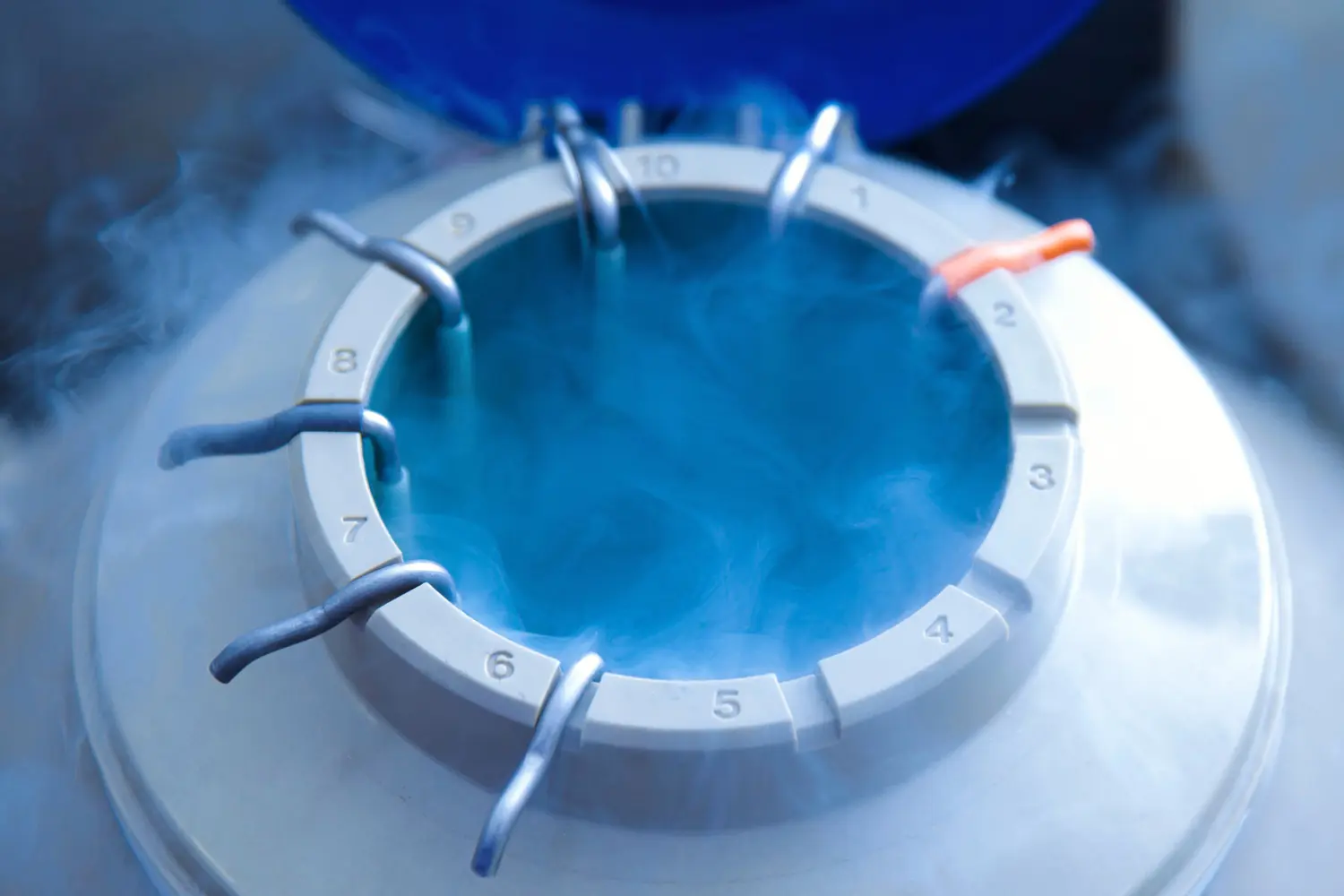
“The cells are cryopreserved in liquid nitrogen at approximately minus 196 degrees Celsius. Cryopreservation is designed for long-term biological storage, but future usability depends on storage conditions, cell viability, quality control, and the laboratory’s procedures.”
“The idea is to preserve material collected at a particular stage of life and make it available for future medical applications. We can also use it right now if the patient has a condition that needs treatment immediately. When appropriate, the stored material is thawed and evaluated again for viability before use.”
“We mainly use them for injuries or trauma to the musculoskeletal system, including muscles, tendons, ligaments and joints, and for patients with joint pain and spine related pain.”
Do MSCs actually regenerate cartilage or damaged tendons?
“MSCs are being studied for their signaling and immunomodulatory properties and their potential role in tissue repair. However, reliable regeneration of damaged cartilage or tendons in patients has not been established, and these applications remain investigational.”
Does banking guarantee I can use the cells later?
“No. Banking preserves a potential option, not a guaranteed therapy. Any future use must be medically appropriate, supported by the relevant evidence, and permitted under applicable regulations.”
Ketamine therapy
How is a physician-monitored IV ketamine infusion different from other ketamine options in Miami?
“Our program starts with a thorough medical evaluation. We assess the patient’s diagnosis, treatment history, medications and potential contraindications. Patient selection is always going to be extremely important.”
“We primarily treat patients with treatment-resistant depression, so patients who have tried medications and either partially responded, did not respond, or had side effects. We also evaluate selected patients with anxiety, PTSD and chronic pain.”
“As a board certified anesthesiologist with more than 15 years of experience using ketamine, I bring a strong background in medication administration, patient safety and monitoring.”
“Our induction protocol is six infusions, generally once or twice per week. Each infusion lasts approximately 40 minutes with individualized dosing and physiological monitoring, using standard monitors: EKG, oxygen saturation and blood pressure. The number of sessions beyond that depends on the patient’s response, tolerability and clinical circumstances. We also place a lot of emphasis on psychotherapy alongside the treatment.”
“Our goal is not simply to administer an infusion. The goal is individualized, medically supervised treatment.”
IV ketamine or Spravato: how do you help a patient decide?
“Both have evidence supporting their use in treatment-resistant depression. Spravato is FDA-approved intranasal esketamine. IV ketamine is used off-label for depression, but with significant data and clinical studies supporting the response.”
“At NeoMedicine we focus more on IV ketamine, because of my clinical experience with intravenous administration, the flexibility to individualize the dose, and the research supporting it as a rapid antidepressant. There is evidence suggesting IV ketamine may provide a faster response, although overall superiority has not been conclusive.”
“Ultimately the treatment should depend on the patient’s clinical needs, prior response to treatment, risks, and access to care. More than the insurance company, it depends on the plan the patient has and their medical history.”
What does an infusion feel like, and how fast does it work?
“Patients commonly describe a deeply introspective experience, sometimes with changes in perception or a sense of detachment. We provide a quiet environment, headphones, and eye coverings while monitoring patients throughout the infusion.”
“Some patients notice improvement after their first infusion, while others respond later in treatment. Ketamine has demonstrated rapid antidepressant effects in clinical studies, but individual responses vary and improvement is not guaranteed.”
Longevity
What does a personalized longevity plan include, and what do the first 90 days look like?
“We begin with a thorough analysis of the patient’s health goals and risk factors. We evaluate advanced cardiovascular and metabolic biomarkers, hormonal health, body composition through DEXA scan, VO2 max, resting metabolic rate, and functional measures like grip strength. These are the physiologic markers of aging.”
“Something that makes us different is our emphasis on musculoskeletal health: joint function, movement, injuries and early degeneration of the joints. Preserving mobility and independence is one of the major parts of longevity, and we do not neglect it.”
“Once we have the results we sit down with the patient, explain the findings, identify their top three priorities, and build an individualized plan with our multidisciplinary team.”


The multidisciplinary team, led by Dr. De La Hoz.
“The plan emphasizes nutrition, exercise, sleep, stress management, and love and connection. Those are what we call the pillars of longevity. We add further interventions when medically appropriate. Some patients include stem cell banking as part of their program.”
“Over the first 90 days we begin implementing the plan and assessing progress. Depending on the membership, patients have ongoing communication and periodic reassessment with me or my team.”
“Our goal is to improve health span, not simply better numbers on a laboratory report. We are giving patients time. Time to spend with their family and the people they love.”
The three membership tiers
| Core | Performance | Concierge | |
|---|---|---|---|
| Monthly | $799 | $1,299 | $2,250 |
| Annual prepayment | $8,629.20 | $14,029.20 | $24,300 |
| Physician touchpoints | 3 comprehensive visits | 5 comprehensive visits | 12 total: 5 visits plus 7 virtual check-ins |
| Laboratory cycles | 3 ordered and interpreted; third-party charges separate | 4 ordered and interpreted; third-party charges separate | 5 defined panels included |
| DEXA | Baseline and month 12 | Baseline, months 6 and 12 | Baseline, months 6 and 12 |
| VO2 max and RMR | Baseline and month 12 | Baseline and month 12 | Baseline, months 6 and 12 |
| Grip strength | Baseline and month 12 | Baseline, months 6 and 12 | Initial and months 3, 6, 9 and 12 |
| Coaching sessions | 2 | 6 | 12 |
| CGM | Optional, separate charge | One 14-day period a year | Two 14-day periods a year |
| IV therapies | None | 6 a year | 12 a year |
| Mobile clinical services | 3 a year | 6 a year | 12 a year |
| Cellular banking | Separate | Separate | One banking event included; storage stays included while membership is active |
| Annual deliverable | Longevity Report | Performance Report | Executive Health Report plus five-year strategy |
Which services run at Aventura?
“We can do the assessments and consultations in Aventura, but the procedures are in Doral mainly.”
What are the most important biomarkers for longevity?
“There is no single longevity biomarker. I pay particular attention to cardiovascular risk, including ApoB and lipoprotein(a), glucose regulation, blood pressure, metabolic health, and other markers guided by the patient’s history. I also believe physical fitness and functional capacity are equally important.”
Will I need hormones, peptides or supplements?
“Not necessarily. We do not believe in prescribing the same treatments to everyone. We start with lifestyle, risk assessment, and established medical interventions. Additional therapies are considered individually, based on clinical indications, evidence, and safety.”
How quickly can I expect results?
“That depends on the patient and what we are trying to improve. Some changes in metabolic health, sleep, fitness, or body composition may become measurable within months. Other benefits require sustained effort over years. We establish specific goals and monitor progress.”
What most longevity clinics get wrong
Most clinics approach longevity as supplements and a panel once a year. What are they getting wrong?
“One of the biggest problems is that longevity medicine has been surrounded by hype. I see clinics promoting supplements, peptides, infrared saunas, cold plunges and expensive technologies, sometimes without paying attention to the fundamentals. I am not necessarily against these interventions, but none of them replace good nutrition, exercise, quality sleep, stress management and human connection. That is what moves the needle. And we need to be careful about promising emerging treatments before sufficient clinical evidence exists.”
“Longevity medicine is not supposed to be a spa or a collection of gadgets. It is about understanding the patient’s health, identifying the risk, applying the best available science, and helping people maintain their strength, function and independence.”
“Longevity medicine should not be about selling more treatments. It should be about helping patients achieve more healthy years of life.”
FAQs, in patients’ own words
Doctor, what can longevity medicine actually do for me? What is real and what is hype?
“There is so much information today about peptides, stem cells, supplements and hormones that it gets confusing. Our role is to help patients separate established science from promising but unproven treatments. We start by understanding their goals and identifying where we can make a measurable difference, whether that is cardiovascular risk, metabolic health, physical fitness, sleep or musculoskeletal function. Patients do not need more promises about living longer. They need a plan to help them live better.”
I am already healthy. Why would I need longevity medicine?
“Being free of symptoms does not necessarily mean you are functioning optimally. Many cardiovascular, metabolic and musculoskeletal changes develop gradually. Our goal is to identify modifiable risks early and help patients maintain their health and independence.”
How is a longevity membership different from an annual physical?
“An annual physical provides an important foundation. Our longevity program adds a fuller assessment of fitness, body composition, metabolic health, movement and individual risk factors, followed by an ongoing, personalized plan.”
Why do you emphasize muscle mass and joint health?
“Because living longer means very little if you lose your ability to move, exercise, and remain independent. We assess strength, mobility, body composition, and joint health to help patients maintain their physical capabilities as they age.”
How involved is the medical team after the initial assessment?
“Very involved. After reviewing the results we identify the patient’s top three priorities and create an individualized plan. Depending on the membership, we maintain direct communication and conduct periodic reassessments.”
How do I know whether I am a candidate for IV ketamine?
“We begin with a full evaluation of your diagnosis, previous treatments, medical history, and medications. We particularly evaluate patients with treatment-resistant depression, and may consider selected patients with other conditions when clinically appropriate.”
Is IV ketamine safe?
“Ketamine has an established history in anesthesiology, but it is not risk-free. It can affect blood pressure, perception, and consciousness. That is why we carefully screen patients and provide medical supervision with physiological monitoring throughout treatment.”
Will I have to stop taking my antidepressants?
“Not necessarily. We review your existing medications before starting treatment. Some patients may eventually have their regimens adjusted by their prescribing clinicians, but we do not recommend stopping psychiatric medications without appropriate medical supervision.”
What happens if my depression symptoms return?
“Ketamine is not necessarily a permanent cure. Some patients experience sustained improvement, while others may need further evaluation, maintenance treatment, medication management, or psychotherapy. We individualize the approach based on response and long-term needs.”
Can I use my stored cells more than once?
“Potentially, depending on the number of usable cells and how the material is stored. Future applications depend on cell quality, post-thaw viability, the intended treatment, and applicable medical and regulatory requirements.”