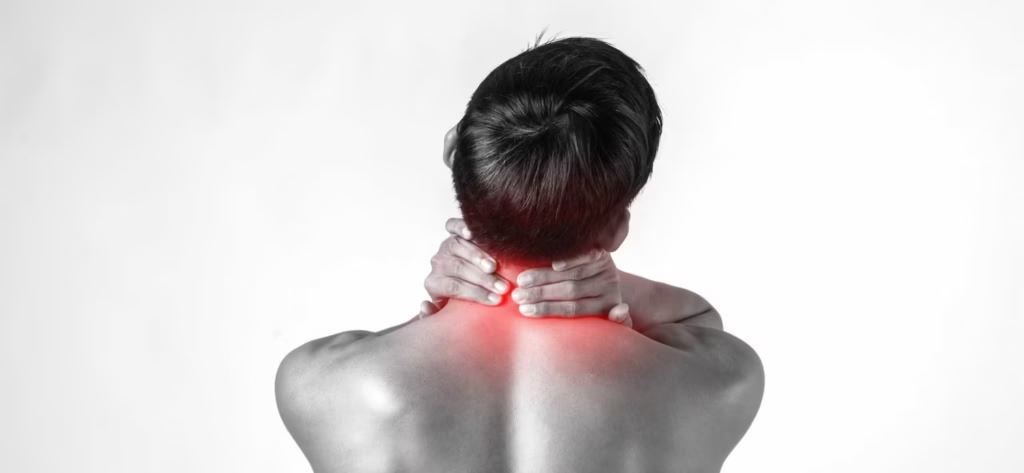
Miami is one of the most active cities in the country. Professional athletes, competitive amateurs, weekend warriors, and fitness-driven professionals all push their bodies hard — and injuries follow.
When a sports injury does not respond to rest or physical therapy, many athletes across Miami are turning to stem cell therapy for sports injuries. The appeal is straightforward. It is a biologic approach that supports the body’s own repair process. And it does so without the extended downtime that surgery demands.
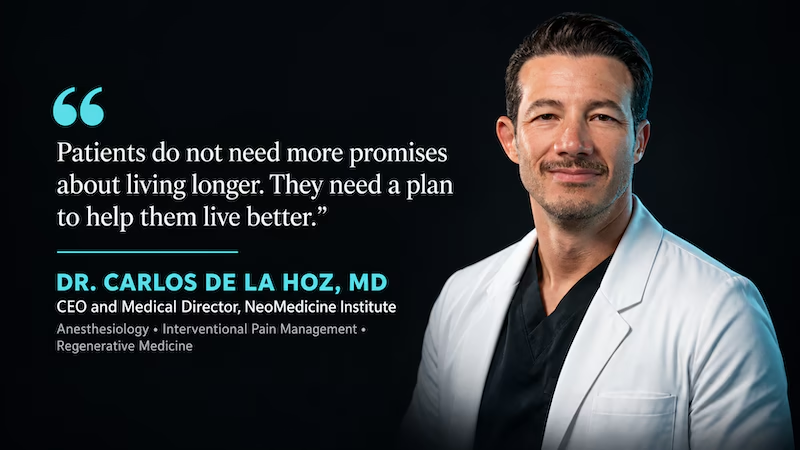
At NeoMedicine Institute in Doral and Aventura, athletic recovery through regenerative medicine is guided by Dr. Carlos De La Hoz, MD — triple board-certified in anesthesiology, pain medicine, and regenerative medicine. This article covers which injuries respond best, how stem cell therapy differs from conventional care, what recovery looks like for active patients, and why physician oversight changes outcomes.
Why Athletes in Miami Are Choosing Stem Cell Therapy
Traditional sports injury treatment follows a familiar path. Rest, anti-inflammatories, physical therapy — and if those fail, surgery. For many athletes, that path works. For others, it falls short.
The issue with conventional approaches is not always effectiveness. It is timeline and tissue quality. Cortisone injections reduce inflammation quickly. However, repeated use can weaken tendons over time. Surgery addresses structural damage directly. But it also brings months of rehabilitation, anesthesia risks, and scar tissue that affects long-term performance.
Neither approach does what athletes need most — promote the biological regeneration of damaged tissue.
Stem cell therapy works differently. Rather than managing symptoms, it introduces regenerative signaling directly into the injured area. The goal is to support cellular repair at the source. Tissue rebuilds with greater biological fidelity than scar formation alone can provide.
For athletes in Miami whose careers and training depend on full function, this distinction matters enormously.
To understand the broader clinical framework at NeoMedicine, see How Regenerative Medicine Is Transforming Healthcare.
Which Sports Injuries Respond Best to Stem Cell Therapy
Not every sports injury is an ideal candidate. The strongest evidence centers on soft tissue injuries. These are areas where blood supply is limited and natural healing is slow or incomplete.
At NeoMedicine Institute, stem cell therapy for sports injuries is evaluated for:
- ACL and MCL injuries — partial tears and chronic instability not resolved with conservative care
- Rotator cuff tears — partial thickness tears causing persistent shoulder pain and functional limitation
- Achilles tendinopathy — chronic tendon degeneration that does not respond to physical therapy
- Patellar tendinitis — jumper’s knee causing chronic anterior knee pain in runners and cyclists
- Hamstring and quadriceps tears — muscle injuries with incomplete healing and persistent weakness
- Meniscus injuries — degenerative or partial tears affecting knee stability and function
- Labral injuries — hip or shoulder labrum damage causing pain and restricted range of motion
- Tennis elbow and golfer’s elbow — lateral and medial epicondylitis from repetitive overuse
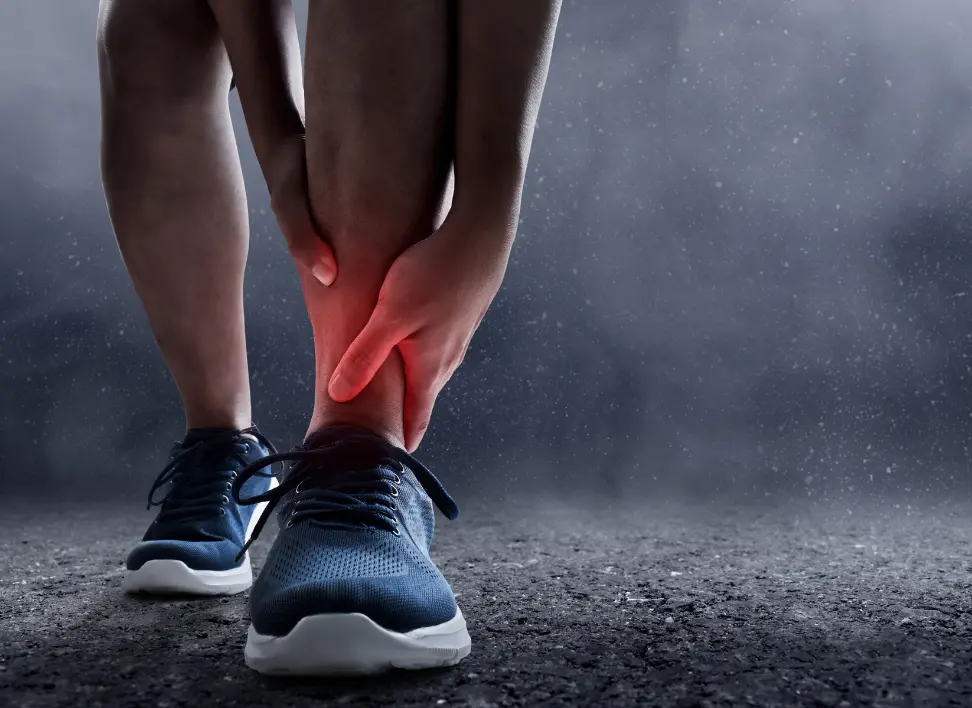
What these conditions share is a common biological problem. Tendons, ligaments, and cartilage have poor blood supply. That limited vascularity is why injuries in these areas heal slowly — and often incompletely. Stem cell therapy delivers concentrated regenerative cells directly to the injury site. This amplifies a repair response the tissue cannot generate on its own.
How Stem Cell Therapy Works for Sports Injuries
The mechanism matters. It is worth understanding before committing to any treatment.
Mesenchymal stem cells (MSCs) are the primary cell type used at NeoMedicine Institute for sports injuries. Doctors derive these cells from the patient’s own bone marrow or adipose tissue. The treatment is autologous — no foreign material enters the body. MSCs suit musculoskeletal repair well because they:
- Differentiate into connective tissue cell types — including tenocytes, chondrocytes, and fibroblasts for tendon, cartilage, and ligament repair
- Modulate the inflammatory environment — reducing chronic inflammation without suppressing the repair signals tissue needs
- Stimulate local tissue regeneration — releasing growth factors that recruit the body’s own repair cells to the injury site
As a result, tissue heals with greater structural integrity. For athletes, that means stronger repaired tissue and a lower risk of re-injury at the same site.
How the Procedure Works at NeoMedicine Institute
Every treatment follows a structured, physician-led process:
- Comprehensive evaluation — medical history, imaging review, and physical assessment confirm candidacy and locate the precise injury
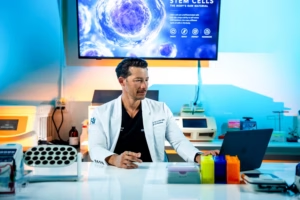
- Cell collection — Dr. De La Hoz performs bone marrow aspiration or adipose tissue harvest under sterile conditions
- Processing — centrifugation concentrates the regenerative cells into a therapeutic preparation
- Image-guided injection — the preparation delivers precisely to the target tissue under imaging guidance
- Recovery protocol — an individualized return-to-activity plan tailored to the active patient
The entire procedure takes place on an outpatient basis. Most athletes go home the same day.
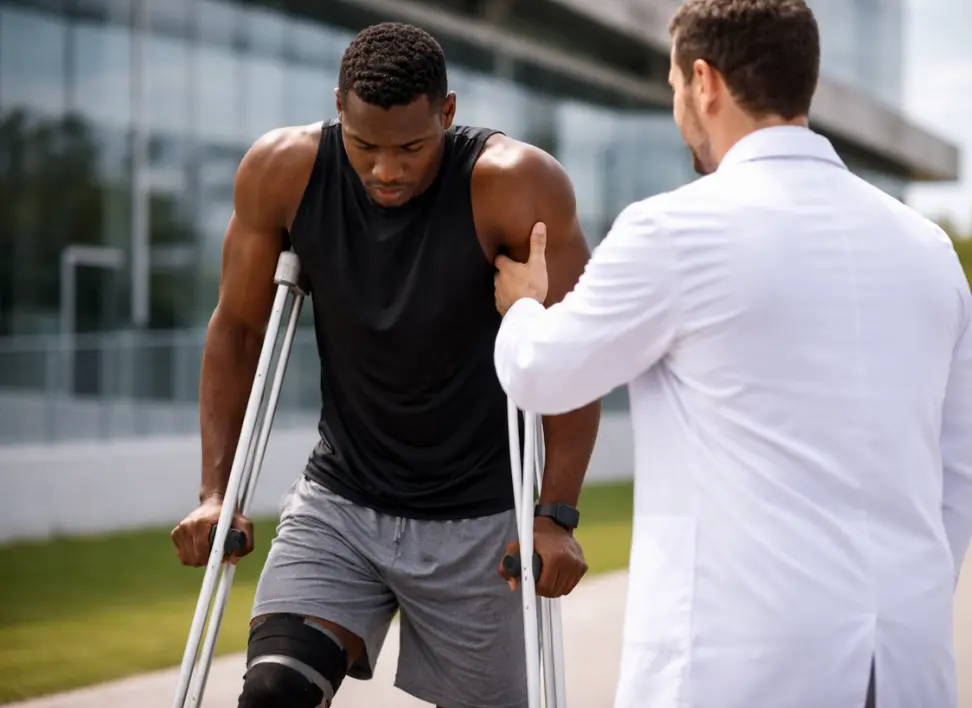
Stem Cell Therapy vs. Surgery for Sports Injuries
This is the comparison most athletes want before making a decision. It deserves a direct answer.
Surgery is the right choice for some injuries. Complete ACL ruptures, full-thickness rotator cuff tears, and certain fractures require surgical reconstruction. Stem cell therapy does not replace surgery in every scenario.
However, surgery is not always the only path forward. For many athletes with partial tears, chronic tendinopathy, or early-stage degeneration, it may not be the best first step. Consider the clinical differences:
Stem Cell Therapy
- Outpatient procedure — typically 1 to 2 hours total
- No general anesthesia required
- Most athletes return to light activity within days
- Tissue repair driven by biological regeneration
- Lower risk of scar tissue formation at the injury site
- Best suited for partial tears and chronic soft tissue conditions
Surgery
- Requires general or regional anesthesia
- Recovery spans weeks to months
- Significant rehabilitation demands follow the procedure
- Scar tissue formation is common
- Best suited for complete tears and structural damage requiring reconstruction
- Carries risks including infection, nerve damage, and anesthesia reaction
For athletes who want to exhaust non-surgical options first, a physician evaluation at NeoMedicine Institute determines whether stem cell therapy is the right clinical path.
What Recovery Looks Like for Active Patients
Athletic patients have different recovery needs than the general population. Accordingly, NeoMedicine Institute designs protocols specifically for active individuals.
Following a stem cell injection for a sports injury, most athletes can expect:
- Days 1–7 — reduced loading of the treated area, with light movement encouraged to promote circulation and cell migration
- Weeks 2–4 — gradual return to non-impact activity, with physical therapy introduced to support tissue remodeling
- Weeks 4–12 — progressive return to sport-specific training as clinical response is monitored
- 3–6 months — full functional assessment of tissue response and long-term outcomes
Recovery timeline varies by injury type, severity, and individual biology. A partial ACL tear responds differently than chronic Achilles tendinopathy. That is why ongoing monitoring — not a fixed schedule — is the standard at NeoMedicine Institute.
Furthermore, athletes managing complex or multi-site injuries can coordinate stem cell therapy alongside NeoMedicine’s pain management program and IV therapy and ozone to reduce systemic inflammation during the healing window.
Why Physician-Led Care Makes a Difference in Miami
Professional and competitive athletes in Miami have specific demands. Generic wellness clinics are not built to meet them. Athletes need:
- Precision — injection accuracy that reaches the exact structure, not an approximation
- Speed — a realistic, monitored, evidence-based return-to-sport timeline
- Integration — care that accounts for training loads, competition schedules, and long-term athletic health
- Physician oversight — a board-certified physician who understands sports medicine, pain, and regenerative biology simultaneously
Dr. De La Hoz holds triple board certification in anesthesiology, pain medicine, and regenerative medicine. As a result, NeoMedicine Institute is one of the few practices in South Florida where all of these needs are met under one roof. His procedural background ensures that cell collection, preparation, and delivery meet the same precision standards that surgery demands — without the operating room.
For athletes across Miami, Doral, Aventura, Coral Gables, and greater South Florida, NeoMedicine Institute’s Stem Cells & Regenerative Medicine represent a genuine non-surgical alternative. It is worth evaluating before committing to more invasive care.
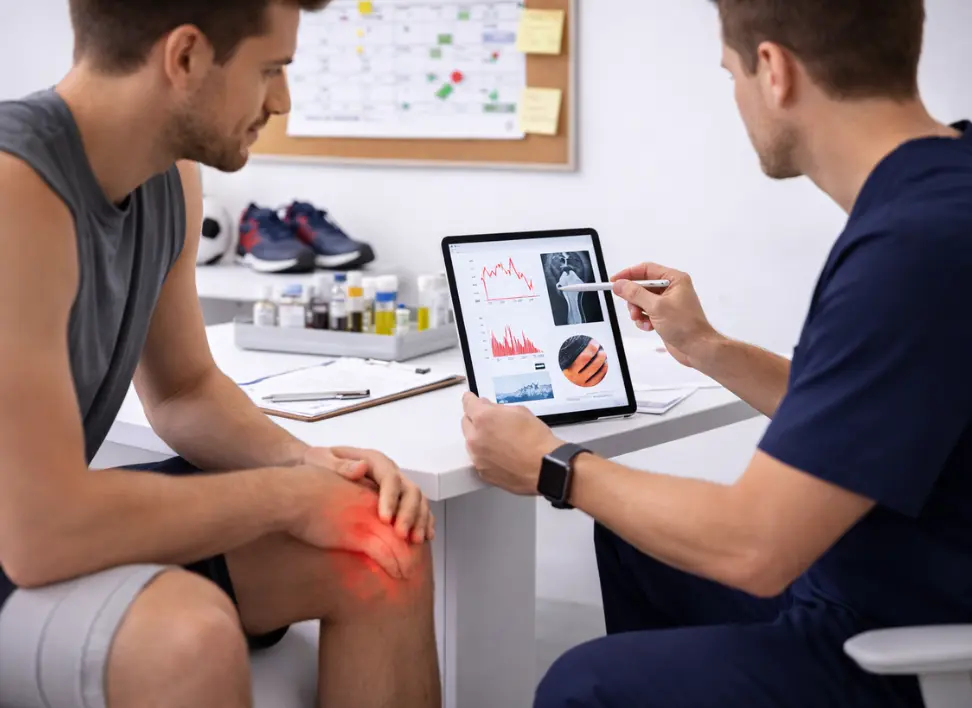
How Stem Cell Therapy Connects to Long-Term Athletic Health
Recovering from an injury is not the same as restoring full function. For athletes who want to stay active and perform well as they age, the regenerative medicine framework at NeoMedicine extends beyond single-injury treatment.
Stem cell banking allows athletes to preserve their regenerative cells now — at their current biological age. That means access to younger, more potent cellular material if injury or degeneration occurs later. For active patients in their 30s and 40s, this is a growing consideration worth discussing with a physician.
Additionally, athletes dealing with injuries that carry a chronic pain component benefit from NeoMedicine’s integrated approach. Combining regenerative therapies with targeted pain management addresses both the structural and neurological dimensions of recovery.
To see how these services connect within a broader longevity framework, see the companion article: The Real Science Behind Stem Cell Banking
Take the Next Step
NeoMedicine Institute offers stem cell therapy for sports injuries in Miami through a physician-led program built on clinical precision, individualized evaluation, and active patient recovery support.
Athletes and active adults in Miami, Doral, Aventura, and across South Florida who are dealing with injuries that have not responded to conventional care can begin with a consultation.
Call (786) 264-2999 or visit our regenerative medicine services page to schedule your evaluation.
Frequently Asked Questions About Stem Cell Therapy for Sports Injuries in Miami
Yes. Stem cell therapy is a viable option for partial ACL tears and chronic knee instability in Miami. NeoMedicine Institute in Doral evaluates each patient through physician examination and imaging review. Candidacy depends on tear severity, prior treatment history, and overall health. Complete ACL ruptures typically still require surgical reconstruction.
Most athletes return to light activity within the first week. Sport-specific training typically resumes between four and twelve weeks. Full functional assessment occurs at three to six months post-treatment. Recovery timeline depends on the injury type, its severity, and the individual’s biology — not a fixed schedule.
No. Stem cell therapy for sports injuries is not covered by most insurance plans in Miami. It is an out-of-pocket expense. HSA and FSA funds are generally eligible. NeoMedicine Institute provides individualized pricing after consultation. Cost varies based on the injury and the treatment approach required.
Yes — for the right candidates. Athletes with partial tears, chronic tendinopathy, or early-stage degeneration may reduce or delay the need for surgery through stem cell therapy. Complete structural tears often still require surgical reconstruction. A physician evaluation at NeoMedicine Institute in Doral determines whether a non-surgical path is appropriate for your specific injury.
Soft tissue injuries with limited natural blood supply respond best. These include partial tendon and ligament tears, chronic tendinopathy, cartilage degeneration, and labral injuries. Tendons, ligaments, and cartilage heal slowly because of poor vascularity. Stem cell therapy delivers concentrated regenerative cells directly to these areas — supporting repair that the body cannot produce adequately on its own.