Among all the questions I encounter in longevity medicine practice here in Miami, one comes up more than any other: when is the right time to bank stem cells? My answer is always the same. The best time is now — because your cells today are younger than they will ever be again.
Cellular senescence in Miami and South Florida patients is something I evaluate regularly as part of a comprehensive longevity assessment. It is not a fringe concept. It is one of the most consequential and measurable mechanisms driving biological aging — and it begins earlier than most people realize. Understanding it, alongside stem cell exhaustion, is foundational to making proactive decisions about your long-term health.
At NeoMedicine Institute in Doral and Aventura, our stem cell banking and regenerative medicine services are built around this understanding. The goal is not to react to decline after it occurs. The goal is to preserve regenerative potential before it is lost.
Understanding Cellular Senescence
Senescence is a state where cells stop dividing but remain metabolically active. In the short term, this is protective — senescence helps prevent cancer and supports wound healing. Over time, however, the chronic accumulation of senescent cells contributes to tissue dysfunction, systemic inflammation, and accelerated aging.
Senescent cells release a pro-inflammatory mix of cytokines, chemokines, and proteases known as the Senescence-Associated Secretory Phenotype — or SASP. This secretory phenotype damages neighboring cells and progressively disrupts tissue homeostasis throughout the body.
The research is clear on this. A 2018 Nature Medicine study demonstrated that clearing senescent cells in aged mice extended lifespan and improved physical function. Early human studies using senolytic compounds — including dasatinib combined with quercetin — show reduced inflammation and improved frailty markers in older adults.
Senescence is a double-edged sword. It is protective in youth and destructive in age. And critically, it begins accumulating long before symptoms appear.
Stem Cell Exhaustion: When the Repair System Fails
Stem cells are the body’s repair toolkit. They are responsible for regenerating tissues and maintaining organ health throughout life. Over time, exposure to oxidative stress, DNA damage, and chronic inflammation depletes their regenerative capacity. This process is known as stem cell exhaustion — and it is one of the most significant hallmarks of biological aging.
A 2022 Cell Stem Cell review highlighted that aged stem cells exhibit epigenetic drift, mitochondrial dysfunction, and loss of niche signaling — all contributing to reduced regenerative function. In muscle tissue, aged satellite cells show impaired differentiation. In bone marrow, hematopoietic stem cells shift toward inflammatory cell types, further fueling systemic inflammation throughout the body.
Once these cells lose potency, restoring their original regenerative capacity becomes increasingly difficult. This is the biological reality that makes proactive preservation so clinically meaningful.
Why Banking Young Matters
Every year, stem cells accumulate molecular damage. Telomeres shorten. Epigenetic stability declines. The regenerative signals that made those cells powerful in youth progressively weaken.
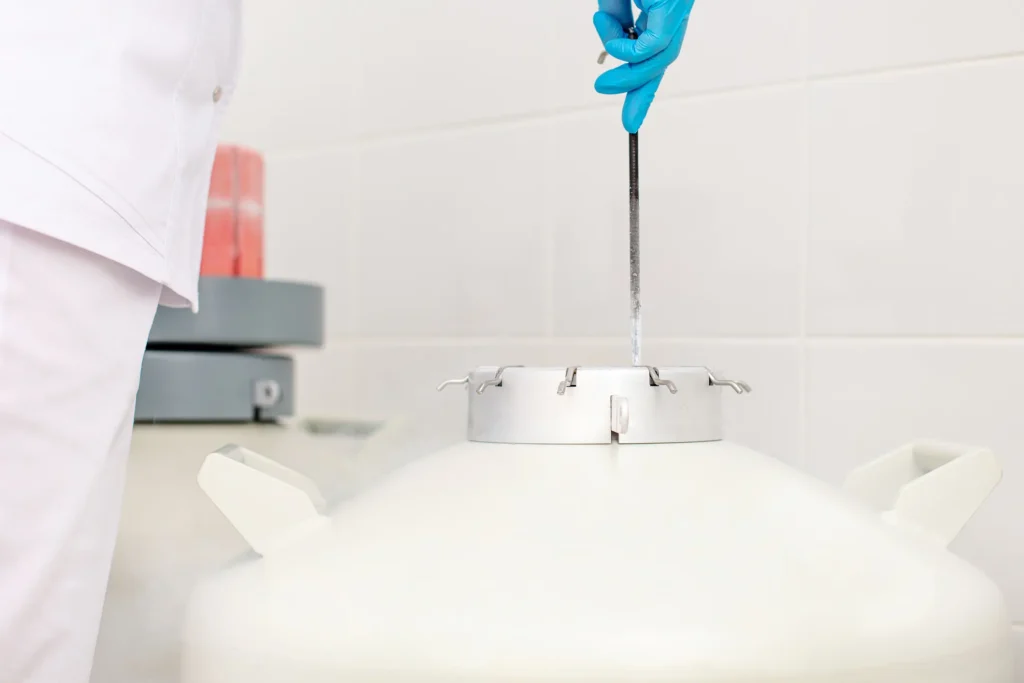
Banking stem cells early — while they are still young and biologically potent — preserves their full regenerative potential for future use. Modern cryopreservation techniques allow for the long-term storage of adipose or bone marrow-derived stem cells without significant loss of viability. This creates a unique biological safety net for future regenerative or rejuvenation therapies as the science continues to advance.
The concept is straightforward. The younger the cells, the stronger the repair toolkit they represent.
Banking stem cells is not about using them today. It is about preserving biological capital before time devalues it. In longevity medicine, this is one of the most proactive decisions a patient can make — and one of the few that becomes less available with every passing year.
At NeoMedicine Institute, stem cell banking is evaluated as part of each patient’s individualized longevity plan. The decision to bank is made within the context of a patient’s complete health picture — age, current biomarkers, family history, and long-term goals — not as a standalone transaction.

Emerging Strategies to Combat Senescence and Exhaustion
The science of targeting cellular senescence and stem cell exhaustion is advancing rapidly. Several strategies are showing meaningful clinical promise:
Senolytics Compounds designed to selectively eliminate senescent cells — including fisetin and the dasatinib plus quercetin combination — are showing early promise in clinical trials. By clearing the SASP-producing cells that drive chronic inflammation, senolytics may support tissue health and reduce the inflammatory burden associated with aging.
Stem Cell Rejuvenation Epigenetic reprogramming and plasma exchange studies, including research published in Nature Aging in 2023, indicate partial restoration of aged stem cell function is possible. These findings reinforce the importance of preserving younger cells while rejuvenation tools continue to mature.
Lifestyle Optimization Caloric restriction, structured exercise, and sleep optimization reduce senescence burden by improving metabolic and mitochondrial health. These interventions do not replace cellular preservation — but they meaningfully slow the rate at which cells accumulate damage. At NeoMedicine Institute, lifestyle optimization is integrated into every longevity plan alongside clinical therapies.
Autologous Cell Preservation Banking your own cells ensures access to biologically compatible, youthful stem cells for future use — without the compatibility concerns associated with donor cells. As regenerative therapies advance, the availability of preserved autologous cells may expand treatment options in meaningful ways.
For a deeper look at how these principles connect to the broader science of regenerative medicine, see How Regenerative Medicine Is Transforming Healthcare.
Connecting the Science to Clinical Practice in Miami
In my practice at NeoMedicine Institute in Doral and Aventura, I see the clinical consequences of delayed action regularly. Patients who arrive in their 50s and 60s asking about stem cell banking are not wrong to be interested. But the biological reality is that the cells available to them at that stage have already accumulated years of molecular damage — epigenetic drift, shortened telomeres, reduced mitochondrial efficiency.
The patients who benefit most from banking are those who act before that damage accumulates significantly. That typically means the 30s and 40s — a window when cells retain strong regenerative capacity but the conversation about longevity preservation rarely comes up in standard medical care.
This is the gap that longevity medicine is designed to address. Not reacting to disease after it develops. Not waiting until symptoms signal that repair systems are already compromised. Acting proactively — with comprehensive biomarker evaluation, individualized planning, and strategic preservation of biological resources — while the opportunity still exists.
For men specifically, declining testosterone accelerates both cellular senescence and muscle stem cell exhaustion — a connection explored further in our clinical overview of muscle mass for longevity and the relationship between hormonal health and long-term structural resilience.
For patients interested in how blood-based biomarker testing can reveal early signs of senescence burden and stem cell decline, the science of stem cell banking in longevity medicine at NeoMedicine provides additional clinical context.
My Perspective
In longevity medicine, we often focus on extending lifespan. But without functional repair systems, longevity loses meaning. Cellular senescence and stem cell exhaustion represent two of the most actionable hallmarks of aging — mechanisms we can target, measure, and now begin to plan around.
When patients ask me why stem cell banking in Miami matters, my answer is simple: because your cells today are younger than they will ever be again.
Preserving them is not just preparing for the future. It is safeguarding your body’s most powerful repair mechanism before time takes its toll.
The future of regenerative longevity will belong to those who combine prevention, preservation, and precision. And that future starts now.
Take the Next Step
At NeoMedicine Institute, cellular senescence evaluation and stem cell banking are both components of a physician-guided longevity plan that assesses your complete biological picture — biomarkers, cellular health, metabolic function, and long-term goals — before any preservation strategy is recommended.
Patients throughout the Miami metro area including Doral, Aventura, Hialeah, Miami Lakes, Coral Gables, Brickell, and across South Florida can begin with a physician consultation.
Call (786) 264-2999 or visit our stem cell banking and regenerative medicine services to learn more.
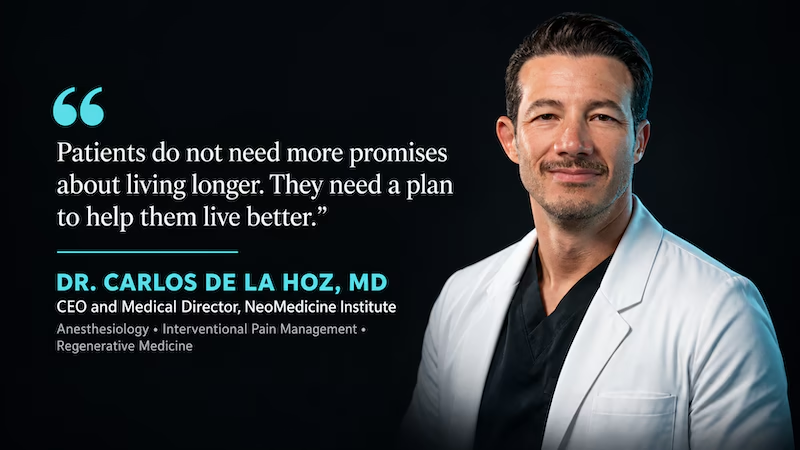
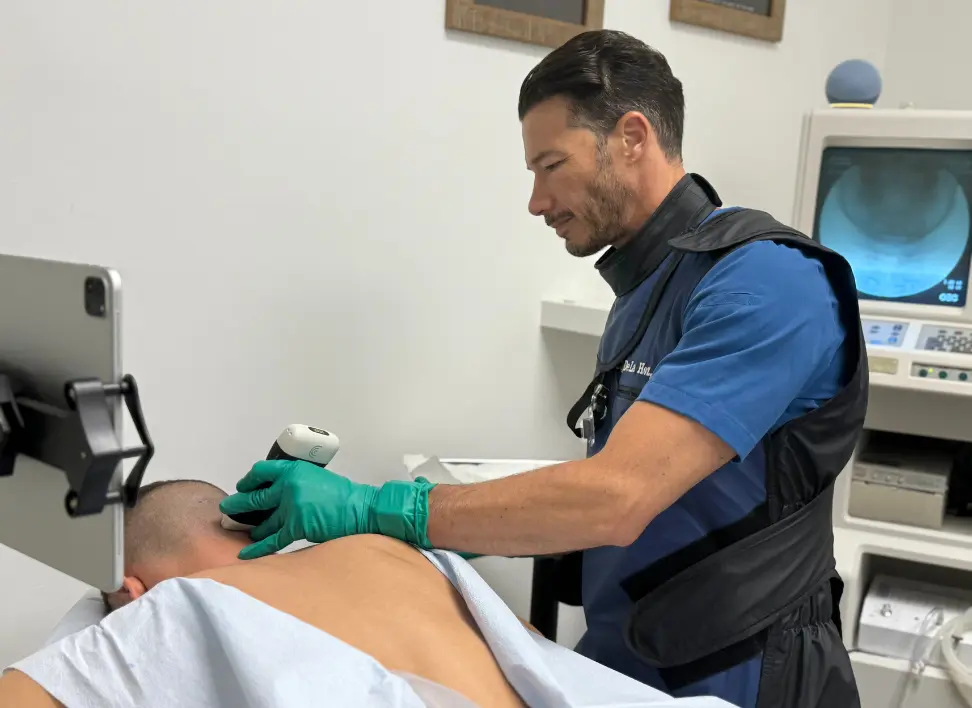
Written by Dr. Carlos De La Hoz, MD, Founder and Medical Director of NeoMedicine Institute. Dr. De La Hoz is triple board-certified in anesthesiology, pain medicine, and regenerative medicine. His clinical work focuses on longevity medicine, stem cell banking, regenerative therapies, and precision medicine. NeoMedicine Institute serves patients in Doral, Aventura, and across South Florida.
Frequently Asked Questions About Cellular Senescence and Longevity Medicine in Miami
Cellular senescence occurs when cells stop dividing but remain metabolically active, releasing inflammatory signals known as SASP that damage surrounding tissue and accelerate biological aging. At NeoMedicine Institute in Doral, Dr. Carlos De La Hoz evaluates senescence burden as part of a comprehensive longevity assessment — because addressing it proactively is more effective than reacting after decline has accumulated.
As cellular senescence accumulates, it directly depletes stem cell function through chronic inflammation and epigenetic damage. Banking stem cells before significant senescence burden develops preserves cells at their most biologically potent. At NeoMedicine Institute, stem cell banking is evaluated within an individualized longevity plan that considers a patient’s current senescence burden, biomarkers, and long-term health goals.
Senolytics are compounds designed to selectively clear senescent cells from the body. Early clinical research using combinations such as dasatinib and quercetin shows reduced inflammation and improved frailty markers in older adults. At NeoMedicine Institute in Doral and Aventura, senolytic strategies are discussed as part of a broader longevity plan overseen by Dr. Carlos De La Hoz following a comprehensive physician evaluation.
The earlier the better. Senescence accumulates progressively from early adulthood, and stem cells banked before significant molecular damage has occurred retain stronger regenerative capacity. Dr. Carlos De La Hoz recommends evaluating longevity biomarkers — including markers of senescence burden — in the 30s and 40s, when proactive intervention has the greatest potential impact.
Yes. NeoMedicine Institute provides physician-guided longevity medicine, stem cell banking, and regenerative medicine services at both the Doral and Aventura locations, serving patients throughout Miami and South Florida. Every patient undergoes a comprehensive evaluation before any preservation or treatment strategy is recommended.