Stem cell therapy is one of the most significant developments in regenerative medicine. It is also one of the most varied in terms of how it is practiced, who administers it, and what patients can reasonably expect from the experience. For patients in Miami researching stem cell therapy clinic Miami options, the number of providers can make the decision feel overwhelming. This blog is not a ranking of clinics. It is a framework for asking the right questions so that patients can make an informed decision based on their own clinical needs and values.
Start With the Physician
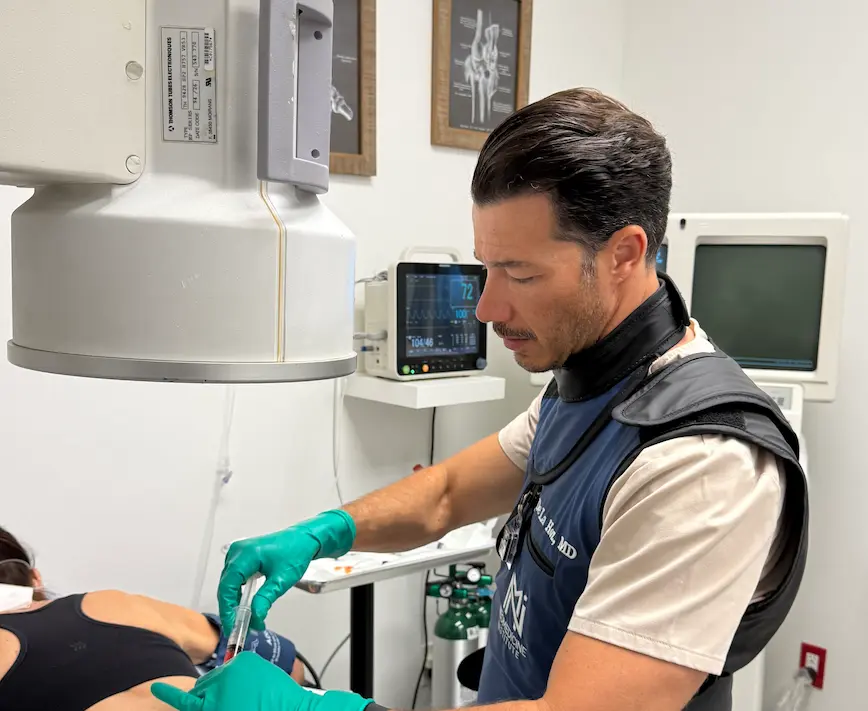
The most important factor in any stem cell therapy evaluation is the physician overseeing the care. Stem cell therapy involves the collection, processing, and injection of biological material into specific anatomical locations. The safety and clinical appropriateness of that process depends directly on the physician’s training and experience
When evaluating any stem cell clinic in Miami, patients should confirm the following about the treating physician:
• Board certification in a relevant specialty — pain medicine, regenerative medicine, orthopedics, or sports medicine. Board certification requires passing rigorous examinations and maintaining continuing education standards. It is independently verifiable through the relevant certifying board.
• Direct personal involvement in both the evaluation and the procedure — not delegated to other clinical staff. Knowing who makes clinical decisions at each step is a reasonable and important question.
• Clinical experience with the specific collection method being used — bone marrow aspiration, adipose tissue harvesting, and peripheral blood collection are each distinct procedural skills requiring physician-level training.
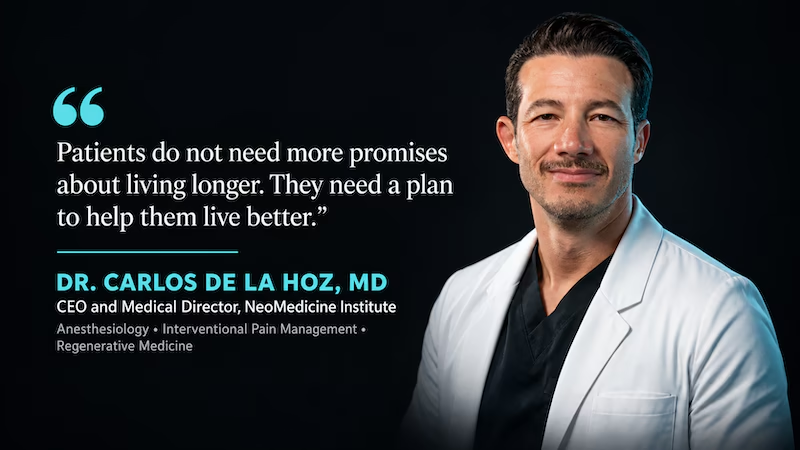
At NeoMedicine Institute, every stem cell therapy evaluation and procedure is overseen personally by Dr. Carlos De La Hoz, MD — triple board-certified in anesthesiology, pain medicine, and regenerative medicine. His certifications span the American Board of Anesthesiology (2013), the American Board of Pain Medicine (2020), and the American Board of Regenerative Medicine (2021).
Understand Where the Stem Cells Come From
Not all stem cell therapies use the same source material. The difference between autologous and allogeneic stem cell therapy is one of the most important distinctions a patient can make.
Autologous stem cell therapy uses biological material collected from the patient’s own body — from peripheral blood, bone marrow, or adipose tissue. Cells are processed and reintroduced into the same patient in the same clinical setting. Since the material comes from the patient’s own biology, immune rejection from the cells themselves is not a concern.
Allogeneic stem cell therapy uses biological material from a donor source such as umbilical cord tissue or other donated biologic material. Patients considering any clinic using donor-derived products should ask about the regulatory standing of those products. They should also confirm whether the products are being used under an approved clinical trial or investigational new drug application.
NeoMedicine Institute performs stem cell therapy exclusively using the patient’s own biological material collected from peripheral blood, bone marrow, or adipose tissue. No donor material is used.
Evaluate the Clinical Evaluation Process
A physician-led clinical evaluation is the necessary first step before any stem cell therapy recommendation is made. That evaluation should include a health history review, diagnostic imaging when appropriate, a physical examination, and an assessment of the patient’s overall health and treatment goals.
Patients should be cautious of any clinic that presents a treatment recommendation or a cost before a physician has completed this evaluation. Any recommendation made before a thorough clinical assessment is not physician-led. It is a predetermined outcome.
• Has a physician reviewed my imaging and health history before this recommendation was made?
• Is the treatment plan based on my specific clinical findings or a standard protocol applied to all patients with my diagnosis?
• How will my response to treatment be assessed and at what point would additional sessions be considered?
• What is the source of the stem cells and how are they collected and processed?
• Who will personally administer the procedure?
These questions are not adversarial. They are the natural questions any patient should feel comfortable asking before agreeing to any medical procedure.
Understand How Treatment Decisions Are Made
Stem cell therapy is not a one-size-fits-all procedure. The type of stem cell collection, the treatment area, the number of sessions, and whether PRP or other regenerative therapies are incorporated into the plan should all reflect the individual patient’s clinical picture.
No combined protocol is applied as a standard package at NeoMedicine Institute. Additional sessions are only recommended when the clinical assessment indicates a basis for continuing.
This approach reflects a fundamental principle of physician-led care: the treatment serves the patient’s clinical needs, not a predetermined commercial outcome.
Consider the Full Scope of Regenerative Services
For some patients, stem cell therapy is one component of a broader regenerative or longevity care plan. Access to stem cell therapy, hormone optimization, IV therapy, peptide protocols, and longevity medicine under one roof means the physician can coordinate care across multiple systems. Single-condition treatment in isolation is not the NeoMedicine approach.
At NeoMedicine Institute, stem cell therapy is offered as part of a comprehensive regenerative medicine program. Dr. De La Hoz evaluates each patient’s full clinical picture and coordinates care accordingly.
Ask About Stem Cell Banking
For patients evaluating stem cell therapy for the first time, it is worth asking the clinic whether stem cell banking is available as part of the same procedure. Banking stem cells during a therapeutic procedure preserves younger, more viable cells for future use. No separate collection procedure is required.
Stem cell quality and quantity decline with age. The cells available today are biologically younger than those that could be collected five or ten years from now. For patients already undergoing a collection procedure, banking is a proactive option worth discussing with the physician during the evaluation.
The Real Science Behind Stem Cell Banking

A Note on Traveling Abroad for Stem Cell Therapy
Some patients research stem cell therapy options in other countries where pricing may be lower than in the United States. This is a personal decision that every patient has the right to make. There are however practical considerations worth understanding before pursuing treatment abroad.
Regulatory frameworks for stem cell therapy vary significantly between countries. The United States maintains one of the world’s most stringent oversight environments for stem cell products. In some international markets, the regulatory requirements governing physician credentials, cell processing standards, and patient safety protocols differ from US standards. This does not mean that all international clinics are unsafe — it means that the level of regulatory oversight is not uniform and requires independent verification by the patient.
Follow-up care is another practical consideration. If a complication arises after treatment abroad, coordinating follow-up care in the United States can be complicated. A local physician with direct access to the patient’s full records is better positioned to respond.
Patients considering treatment abroad should independently verify the clinic’s credentials, regulatory standing, cell processing standards, and patient outcomes. Pricing alone is not sufficient justification for bypassing this research.
What to Watch For When Evaluating Stem Cell Clinics in Miami
Patients researching stem cell therapy in Miami will encounter a wide range of pricing and a wide range of approaches to treatment. Some patterns are worth understanding before making any decision.
One common pattern is being presented with a treatment package and price before a physician has reviewed imaging, health history, or clinical findings. In some cases patients are quoted a cost and session count before speaking with a physician.
No treatment plan is discussed before Dr. Carlos De La Hoz has completed a comprehensive physician evaluation. The type of therapy, the number of sessions, and the approach are determined by what the clinical findings support.
Before committing to any clinic, patients should ask one direct question: has a physician reviewed my imaging and health history before this recommendation was made?
Frequently Asked Questions: How to Choose a Stem Cell Therapy Clinic in Miami
The most important factors when choosing a stem cell therapy clinic in Miami are the credentials of the treating physician, the source of the stem cells used, and whether a comprehensive clinical evaluation precedes any treatment recommendation. Board certification in a relevant specialty and direct physician involvement in every step of the procedure are the strongest indicators of clinical quality. At NeoMedicine Institute, every evaluation and procedure is overseen personally by Dr. Carlos De La Hoz, MD — triple board-certified in anesthesiology, pain medicine, and regenerative medicine.
Stem cell therapy involves the collection and injection of biological material into specific anatomical locations, and its safety depends directly on the credentials and experience of the administering physician. Patients should confirm the treating physician’s board certifications and direct clinical involvement before proceeding with any provider. The procedure requires physician-level training in the specific collection and injection techniques being used.
Before committing to any stem cell clinic, patients should ask whether a physician reviewed their imaging and health history before the recommendation was made, what the source of the stem cells is, and how the number of sessions is determined. Patients should also confirm who will personally administer the procedure and how clinical response will be assessed between treatments. These questions help distinguish between clinics that prioritize clinical outcomes and those that apply standardized packages.
At this time, NeoMedicine Institute performs stem cell therapy exclusively using the patient’s own biological material collected from peripheral blood, bone marrow, or adipose tissue. Dr. De La Hoz operates under current US federal guidelines and Florida state law, including the expanded framework for licensed physicians established under Florida Senate Bill 1768. As research advances and the regulatory landscape evolves, any updates to therapies offered at NeoMedicine Institute will reflect current clinical evidence and applicable regulatory standards.
Stem cell therapy is available at NeoMedicine Institute’s Doral clinic at 2510 NW 97th Ave, Suite 110 and the Aventura clinic at 2820 NE 214th St, Suite 801. No referral is required to schedule a physician evaluation. Both locations are accepting new patients.
Schedule a Stem Cell Therapy Evaluation at NeoMedicine Institute
Choosing the right stem cell therapy clinic begins with a physician evaluation. Every patient is evaluated directly by Dr. Carlos De La Hoz, MD before any treatment recommendation is made. The evaluation includes a health history review, diagnostic imaging when appropriate, and a physical examination. Every recommendation reflects the individual patient’s clinical findings. No referral required. Locations in Doral and Aventura, FL.