Testosterone optimization in Miami is one of the most searched men’s health topics in South Florida, and for good reason. Estimates suggest that as many as 40 percent of men over 45 have clinically low testosterone levels, yet a significant proportion never receive a diagnosis or appropriate evaluation.
The effects of declining testosterone extend well beyond energy and libido. Research associates untreated testosterone decline with cardiovascular risk factors, bone density loss, insulin resistance, cognitive changes, and reductions in overall quality of life. For many men, addressing these changes through a physician-guided longevity program may support long-term health in meaningful ways.
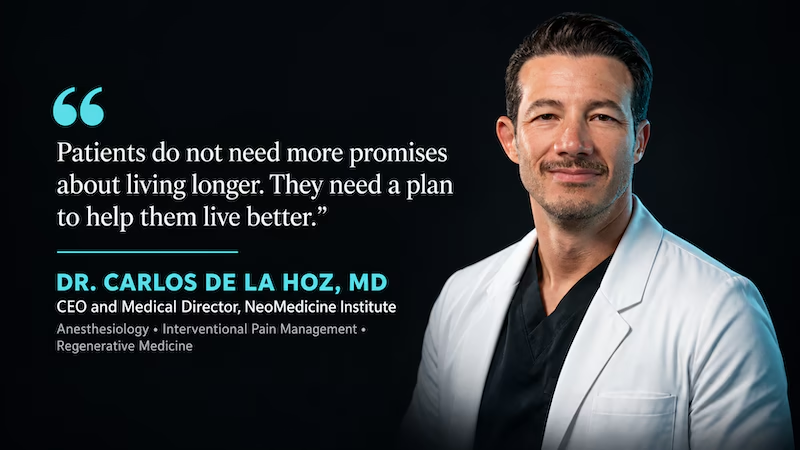
At NeoMedicine Institute in Doral and Aventura, testosterone optimization is one component of a comprehensive longevity plan overseen by Dr. Carlos De La Hoz, MD, triple board-certified in anesthesiology, pain medicine, and regenerative medicine. Every evaluation begins with comprehensive lab testing, individualized protocol development, and ongoing physician monitoring.
What Low Testosterone May Do to Men’s Health
Testosterone is involved in far more than libido and muscle mass. It plays a role in energy metabolism, red blood cell production, bone mineral density, cardiovascular function, insulin sensitivity, mood regulation, and cognitive performance.
When levels decline, which research suggests begins around age 30 at roughly one to two percent per year, the effects can accumulate gradually. Many men attribute these changes to normal aging. By the time symptoms become disruptive, levels may have been below optimal for some time.
Common presentations that may be associated with low testosterone in men include:
- Persistent fatigue that does not improve with adequate sleep or rest
- Declining muscle mass despite consistent training
- Increasing body fat, particularly around the abdomen
- Reduced motivation, drive, and sense of purpose
- Mood changes including irritability, low mood, or emotional flatness
- Declining libido and changes in sexual function
- Brain fog and reduced mental sharpness
- Poor sleep quality and difficulty recovering from physical exertion
- Reduced bone density, which may go unnoticed until evaluated
Importantly, these symptoms overlap with many other conditions. Thyroid dysfunction, depression, sleep apnea, anemia, and metabolic syndrome can all produce a similar picture. A physician-ordered comprehensive panel is the appropriate way to evaluate whether hormone levels may be contributing to a patient’s symptoms.

The Value of Comprehensive Evaluation
Standard primary care panels often measure only total testosterone. This single value may not capture the full picture. Free testosterone, the biologically active fraction, can fall below optimal levels even when total testosterone appears within range. SHBG, estradiol, LH, FSH, and thyroid function all interact with testosterone in ways that affect how the body responds to it. A complete panel allows for a more thorough clinical assessment.
Additionally, research has identified several considerations that physician-led programs are designed to monitor over the course of treatment:
- Hematocrit — testosterone may stimulate red blood cell production, and regular monitoring allows the physician to evaluate levels throughout treatment
- Estradiol — testosterone can convert to estrogen in the body, and tracking estradiol helps inform protocol adjustments
- Fertility considerations — exogenous testosterone may affect the body’s own hormone production, and patients who wish to preserve fertility should discuss this with their physician before beginning treatment
- Dosing appropriateness — individual metabolism varies, and ongoing lab feedback informs protocol refinement over time
At NeoMedicine Institute, follow-up lab testing is a scheduled part of every longevity program. The physician reviews results and adjusts the protocol based on both lab values and the patient’s reported clinical experience.
What the Evaluation Process Includes at NeoMedicine Institute
Dr. Carlos De La Hoz evaluates every male patient with a comprehensive panel before any treatment is considered. This includes:
- Total and free testosterone to establish both absolute levels and the bioavailable fraction
- SHBG because sex hormone-binding globulin affects how much free testosterone circulates
- Estradiol to assess baseline before any treatment begins
- LH and FSH to help understand the origin of any hormonal changes
- Complete blood count for baseline hematocrit evaluation
- Metabolic panel covering liver function, kidney function, glucose, and lipid markers
- Thyroid panel because thyroid changes could present similarly to low testosterone
- PSA as part of a baseline health assessment
After treatment begins, Dr. Carlos De La Hoz schedules follow-up labs at clinically appropriate intervals. He adjusts the protocol based on both lab values and the patient’s reported response. Each patient’s plan evolves based on their individual clinical picture.
Testosterone and Cardiovascular Health: What the Research Indicates
Questions about testosterone therapy and cardiovascular health have been studied extensively. A landmark 2023 randomized controlled trial, the TRAVERSE study, enrolled more than 5,200 men with low testosterone and preexisting or elevated cardiovascular risk. It found that testosterone therapy was noninferior to placebo with respect to major adverse cardiovascular events over a mean follow-up of approximately 22 months.
The same trial also identified higher rates of atrial fibrillation, acute kidney injury, and pulmonary embolism in the testosterone group compared to placebo. These were secondary outcomes and did not affect the primary cardiovascular endpoint. However, they highlight the clinical considerations that ongoing physician monitoring is designed to address. Regular evaluation of cardiovascular markers, kidney function, and hematocrit allows the physician to review any changes and respond accordingly throughout the treatment course.
It is also worth noting that the TRAVERSE findings applied specifically to men with documented hypogonadism enrolled in a monitored clinical trial setting. The study’s authors emphasized that results should not be generalized beyond that population.
Physician monitoring during testosterone therapy may include review of:
- Hematocrit levels throughout treatment
- Blood pressure and cardiovascular markers
- Lipid panel changes that may warrant dietary or clinical attention
- Sleep quality, as testosterone can influence existing sleep conditions in some patients

Testosterone, Muscle Mass, and Longevity: The Connection Most Men Miss
This is the part of the conversation that most testosterone discussions overlook. Testosterone is not only a hormonal marker. It is a longevity marker.
Research in longevity medicine increasingly recognizes skeletal muscle as a metabolic and protective organ. Testosterone plays a central role in muscle protein synthesis, anabolic signaling, and the preservation of lean mass as men age. When testosterone declines, muscle loss accelerates. As NeoMedicine Institute‘s clinical overview of muscle mass for longevity outlines, measures of muscle mass and strength frequently outperform traditional biomarkers in predicting long-term survival outcomes.
The clinical implications are significant. A man whose testosterone levels remain suboptimal for years may experience accelerating muscle loss, reduced physiologic reserve, and declining resilience to physical and metabolic stress, well before those changes register on a standard blood panel. Addressing testosterone as part of a proactive longevity strategy, rather than waiting for symptoms to become severe, reflects the direction modern longevity medicine is moving.
At NeoMedicine Institute, testosterone evaluation sits within a longevity plan that evaluates hormones alongside other critical biomarkers of aging. Bone density, inflammatory markers, metabolic function, cardiovascular risk, and cellular health are all considered in the context of each patient’s individual goals and health history. This is what separates a longevity program from a standalone testosterone prescription.
For men exploring proactive preservation of their biological resources over time, the clinical overview of stem cell banking in longevity medicine at NeoMedicine Institute explains how preserving regenerative capacity earlier in life may support future medical flexibility. Hormone optimization and regenerative preservation are increasingly evaluated together as complementary components of a comprehensive longevity strategy.

Testosterone Within the NeoMedicine Longevity Framework
At NeoMedicine Institute, testosterone optimization in Miami is one element of a broader clinical picture. Testosterone interacts with inflammation, cellular aging, metabolic function, and the body’s capacity for tissue repair and recovery.
For men also working with NeoMedicine on regenerative medicine services or other programs, hormone evaluation is considered within the context of the patient’s overall longevity strategy rather than as a standalone service.
For men dealing with chronic pain, the relationship between testosterone and pain physiology is an area of ongoing clinical interest. Research suggests testosterone may influence pain sensitivity and analgesic response. Patients interested in this connection are encouraged to discuss it directly with Dr. Carlos De La Hoz during their consultation, including how it may or may not be relevant alongside the pain management program.
The hormone optimization program at NeoMedicine provides additional detail on how hormonal evaluation is structured for both men and women within the broader longevity care model.
Take the Next Step: Testosterone Optimization in Miami
NeoMedicine Institute offers testosterone optimization in Miami through a physician-led longevity plan that begins with comprehensive lab evaluation, develops an individualized protocol, and continues with ongoing clinical monitoring.
Men throughout the Miami metro area including Doral, Aventura, Hialeah, Miami Lakes, Coral Gables, Coconut Grove, Brickell, and across South Florida who are experiencing symptoms that may be associated with low testosterone can begin with a physician consultation.
Call (786) 264-2999 or visit our longevity plan to schedule your evaluation.
Frequently Asked Questions About Testosterone Optimization in Miami
Common signs that may be associated with low testosterone include persistent fatigue, declining muscle mass, increased body fat, reduced libido, mood changes, brain fog, and poor sleep quality. Because these symptoms overlap with other conditions, physician-ordered lab testing at NeoMedicine Institute in Doral is the appropriate first step before any treatment is considered.
Testosterone therapy may be appropriate for men with clinically confirmed low testosterone following a comprehensive physician evaluation. The 2023 TRAVERSE trial found testosterone therapy was noninferior to placebo for major cardiovascular events in a monitored clinical setting. At NeoMedicine Institute, every patient undergoes a full evaluation before any treatment begins, and ongoing monitoring is part of every protocol.
At NeoMedicine Institute, a physician-led plan begins with a complete panel evaluating total and free testosterone, SHBG, estradiol, LH, FSH, thyroid function, hematocrit, metabolic markers, and PSA. Treatment is individualized based on these results and adjusted at each follow-up based on lab values and clinical response.
Individual responses vary. Some men report changes in energy and mood within the first few weeks. Other markers such as muscle composition and body fat distribution may take longer to shift as hormone levels stabilize. Dr. Carlos De La Hoz reviews progress at each follow-up and refines the protocol based on lab results and reported experience.
Yes. NeoMedicine Institute provides testosterone evaluation and men’s hormone care at both the Doral and Aventura locations, serving patients throughout Miami and South Florida. Every patient undergoes a comprehensive physician evaluation before treatment is considered, and monitoring continues throughout the program.